Published July 12, 2026
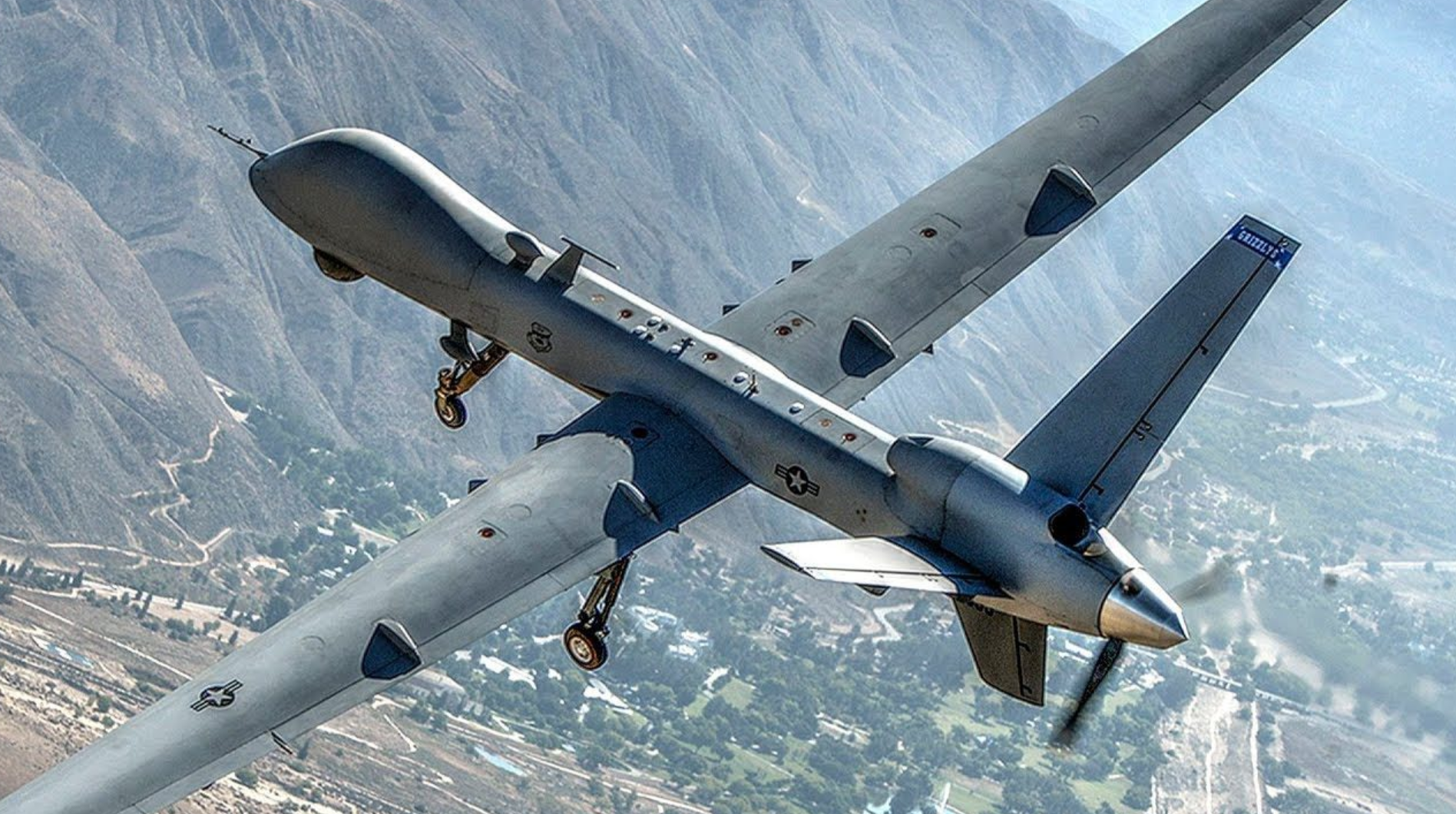
Modern warfare is being rewritten by machines that see, decide, and strike faster than any human chain of command. The war in Ukraine has become the proving ground: in April 2026, Ukrainian forces captured a Russian position using only aerial drones and ground robots — no infantry assault required, and Russian soldiers reportedly surrendered directly to the machines.
The superpowers racing to build it
The United States, China, Russia, and Ukraine are the clearest leaders, each pursuing autonomous aircraft, robotic ground vehicles, uncrewed submarines, and AI-driven targeting systems designed to cut human risk while boosting strike speed, according to Interesting Engineering’s battlefield robotics coverage. China’s PLA is heavily focused on UAV swarms and manned-unmanned teaming, though mature swarm command-and-control remains, per Defence Agenda’s 2026 analysis, “a contested frontier.” Russia, meanwhile, has leaned on mass-produced Iranian-designed drones manufactured domestically by the thousands.
The companies building the hardware
Anduril Industries is the most prominent US name pioneering autonomous warfare platforms. Israeli firm XTEND has raised $70 million and is preparing a Nasdaq listing at a ~$1.5 billion valuation for its XOS operating system, which lets one operator command entire fleets of drones and robots by mission objective rather than manual piloting, according to Military.com. VisionWave Holdings (NASDAQ: VWAV) unveiled its combat-ready TALON and D-FLY autonomous platforms at Eurosatory 2026. Ukraine’s own Uforce has logged over 150,000 combat drone missions since 2022. The global military drone market alone is projected to top $25 billion this year, en route to $55 billion by 2032, per PR Newswire’s defense sector report.
Ships, swarms, and what’s next
Uncrewed surface vessels and submarines are advancing alongside aerial systems, with the US Navy and NATO members testing autonomous maritime platforms for surveillance and strike roles. Humanoid ground robots remain early-stage — US firm Foundation sent two Phantom MK-1 units to Ukraine in early 2026 for reconnaissance testing, per Interesting Engineering — but analysts agree full robotic infantry is still years off. No binding international treaty yet governs autonomous weapons, and experts increasingly warn of AI-driven “flash wars” — escalation spirals moving faster than human command can intervene.
Sources: Interesting Engineering, Defence Agenda, Military.com, PR Newswire.
Leave a Reply