Published July 10, 2026
The fragile truce between the United States and Iran, in place since a memorandum of understanding (MoU) was signed on June 17, has effectively broken down. Over the past two days, the US has carried out its third and largest round of strikes since that agreement, and both sides are now trading threats rather than diplomatic language.
What triggered the escalation
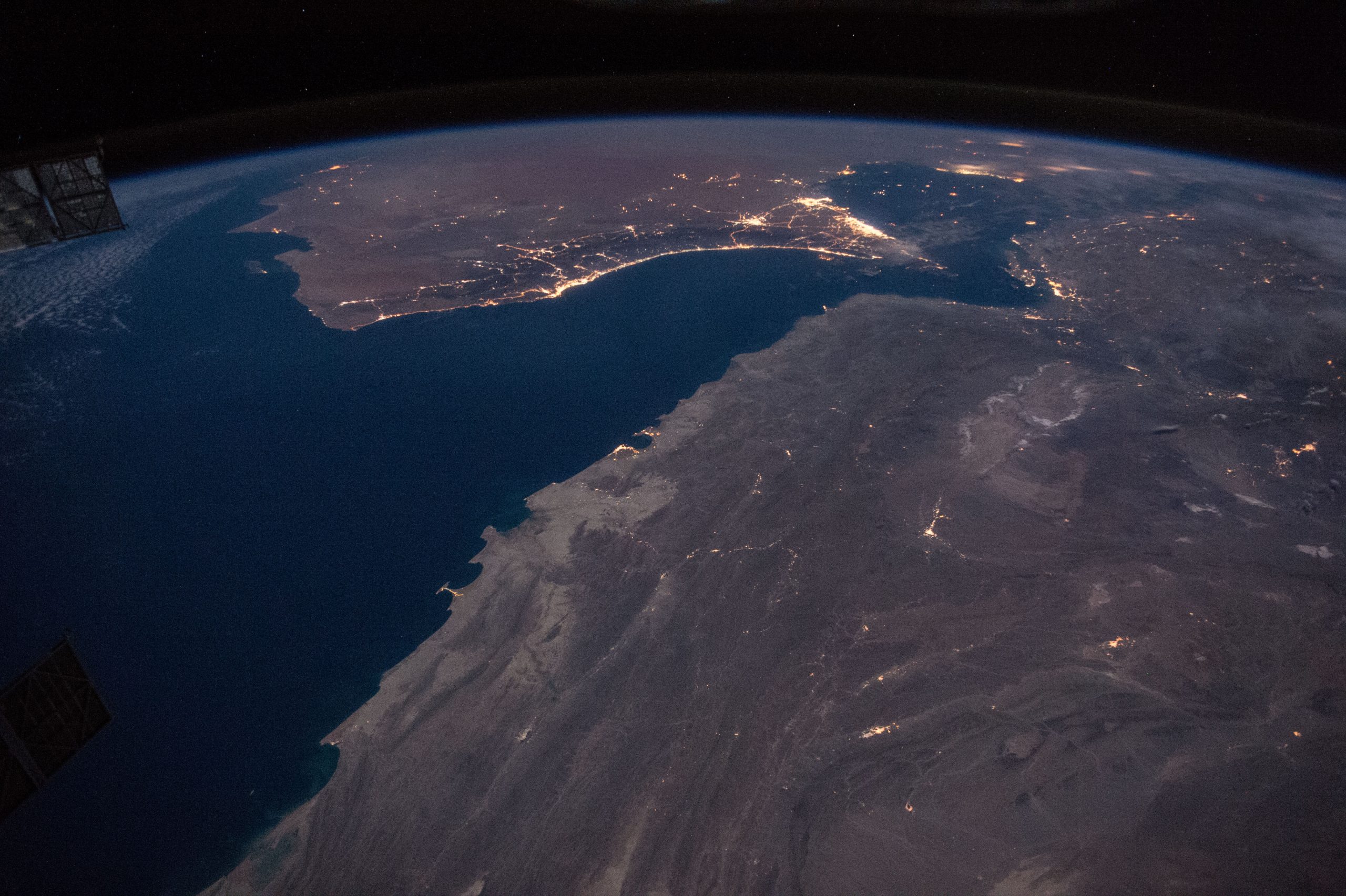
The immediate spark was a set of attacks on three commercial tankers in the Strait of Hormuz on July 6–7 — the Marshall Islands-flagged M/T Al Rekayyat, the Saudi-flagged M/T Wedyan, and the Liberian-flagged M/T Cyprus Prosperity. In response, US Central Command said it struck more than 80 targets inside Iran, and the Treasury reimposed sanctions on Iranian oil sales that had been waived under the MoU.
Speaking from the NATO summit in Ankara, President Trump said he considered the ceasefire “over” and, according to Al Jazeera’s coverage, described Iran’s leadership in sharply personal terms. A second wave followed a day later: CENTCOM said it hit “90 Iranian military targets” along the coastline, and Iranian state media reported a railway bridge near Aqqala and a telecommunications tower in Bandar Abbas had also been damaged.
Casualties and areas hit
According to Al Jazeera’s live coverage, the two nights of strikes have killed 14 people and wounded 78, with explosions reported across Iranian cities along the Strait of Hormuz — including Bushehr, Chabahar, Bandar Abbas, and Sirik. A firefighter was reported killed at Iranshahr Airport in southeastern Iran, where the strike damaged the flight operations building and a meteorological station, per IRNA and Mehr News Agency reporting. Iran’s Revolutionary Guard Corps also said one of its members was killed by drones while responding.
In retaliation, Iran said it struck US-linked “bases and strategic centres” in Bahrain, Kuwait, and Qatar. Air-raid sirens sounded in both Bahrain and Kuwait, and Kuwait’s military said its air defenses were intercepting incoming missiles and drones.
What this is costing
The financial toll is compounding on top of an already expensive conflict:
- Military costs: Pentagon comptroller Jules Hurst put total US operational costs for the broader Iran war at roughly $29 billion as of a May Senate hearing, an estimate that didn’t yet include repairs to Gulf bases hit by Iranian drones and missiles.
- Consumer costs: Moody’s Analytics estimated the war had already cost US consumers and taxpayers around $132 billion, driven mainly by the spike in fuel prices after the Strait of Hormuz was disrupted.
- Market reaction to this week’s strikes: Brent crude jumped roughly 6% to about $78 a barrel after Trump’s comments that the ceasefire was over, per Al Jazeera.
Polymarket’s read on a peace deal
Prediction markets had grown fairly optimistic through June, with Polymarket’s “US x Iran permanent peace deal by December 31” market climbing into the 90s% after the MoU signing and Trump’s declaration that the deal was “complete.” That confidence had already proven fragile once before — the same market collapsed from above 75% to around 27% in late May over Iran’s refusal to halt uranium enrichment, before recovering on the June MoU.
Given that this week’s strikes mark the third breakdown in talks since the ceasefire process began, traders are almost certainly repricing again. It’s worth checking Polymarket’s live odds directly, since a market this reactive can move within hours of a headline.
What it means for the $300 billion reconstruction fund
The June MoU included a commitment — not yet finalized — for the US to help arrange at least $300 billion in reconstruction and development funding for Iran, structured as private/regional investment rather than direct US payments, according to reporting from the Times of Israel and confirmed in the text of the agreement itself, per Al Jazeera. The mechanism for actually implementing the fund was left to be worked out during the 60-day negotiating window that the MoU kicked off.
That window is exactly what’s now unraveling. The fund was explicitly tied to Iran holding up its end of a permanent settlement — if the ceasefire collapses for good, the entire reconstruction package, along with the planned reopening of the Strait of Hormuz and the unfreezing of Iranian assets, is at risk of falling apart with it.
Where things stand
Both Washington and Tehran are publicly blaming each other for violating the MoU. This is the third time the US has launched a major strike wave while talks were nominally still active, and Iranian officials have said the repeated breaks have destroyed trust in the process. Whether the two sides return to the negotiating table — or whether this marks a full resumption of open conflict — should become clearer within days.
Sources: CNN, Al Jazeera, NPR, Times of Israel, Britannica’s 2026 Iran War overview, and Polymarket market data.

