Burdania News Review

Ad free news 24/7

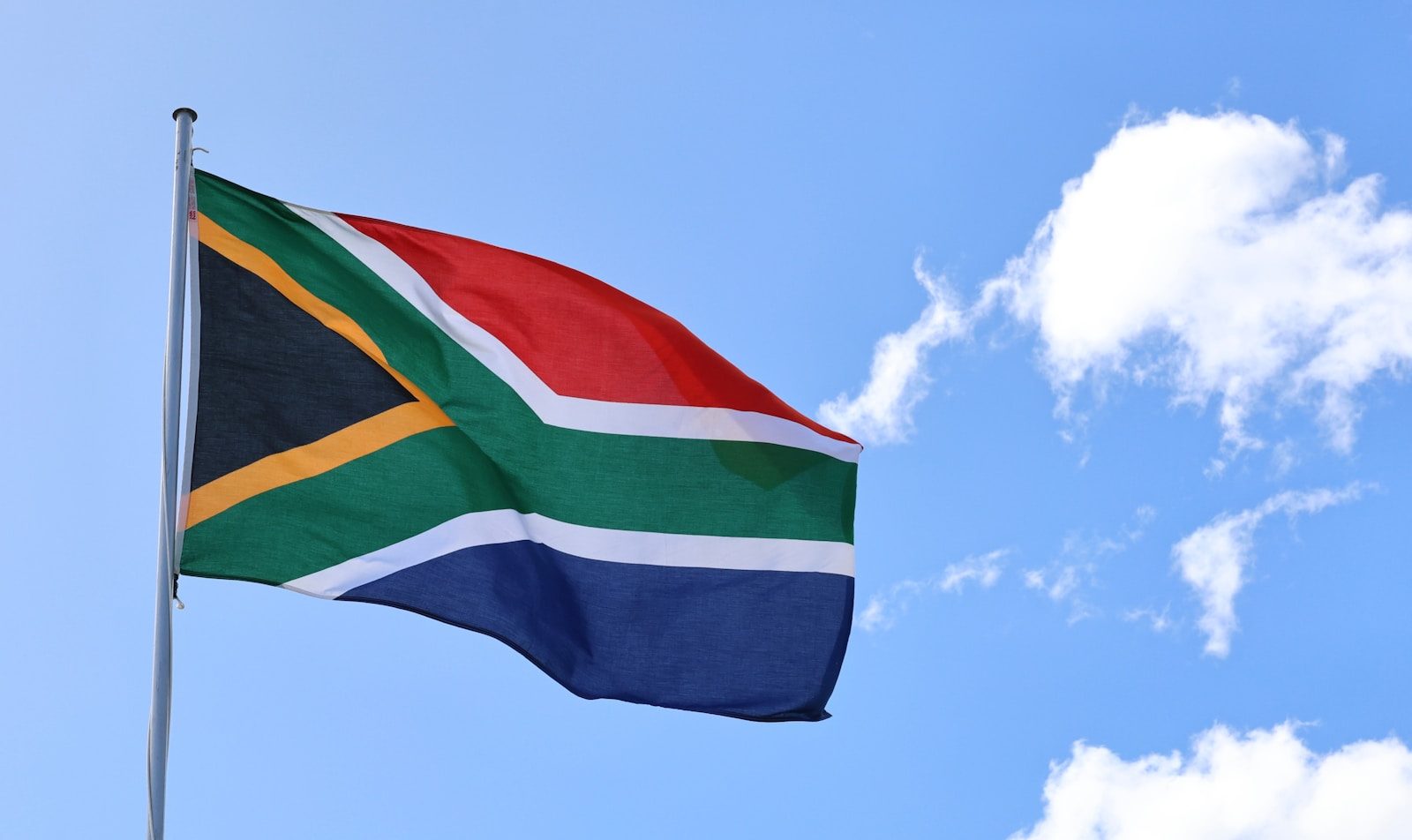
  • South Africa’s immigration crackdown divides Johannesburg’s inner city

    South Africa’s immigration crackdown divides Johannesburg’s inner city

    Let’s call it what it is: a blatant political maneuver cloaked in the guise of reform. The government’s push to curb undocumented employment isn’t an altruistic move; it’s a desperate attempt to galvanize support against immigration – while exposing how completely dependent small businesses are on migrant labor. So, who’s being called out for this fascinating contradiction? CNN and MSNBC, as they preach about “justice” and “fairness,” simultaneously ignore the realities on the ground. These outlets thrive on narratives that push a climate of fear, painting immigrants as the bogeyman. Funny how the narrative pivots when it comes to the ‘sacred’ small business, though, right?

    On the flip side, Fox News attempts to spin this crisis into a political goldmine, championing the plight of hard-working business owners left in a lurch while they pander to their base. It conveniently fits their anti-immigration agenda, yet the question remains – who will staff these businesses if migrants are sent packing? The irony is thick, my friends.

    Let’s not forget the tens of millions who rely on this labor economy; it’s as though the corporate media wants to erase their existence. They’d rather see headlines that fan the flames of discontent than address a genuine labor crisis. Small businesses crying for help while Westminster and Wall Street pretend this issue doesn’t exist is the definition of hypocrisy. These are complex issues that will require real dialogue, not media soundbites, yet here we are, stuck in a one-dimensional narrative.

  • Which teams have qualified for the World Cup 2026 knockouts, round of 32?

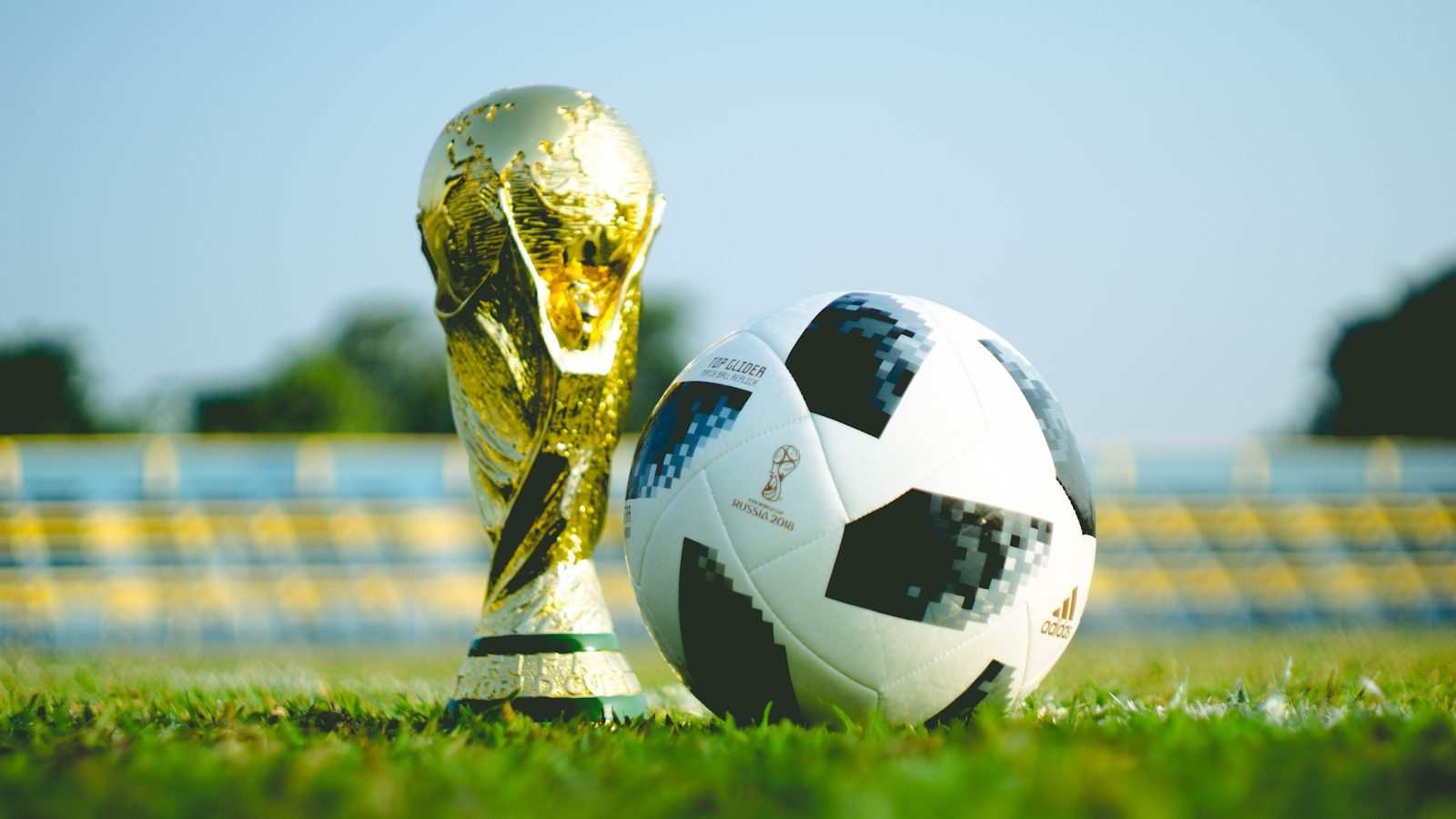
    Which teams have qualified for the World Cup 2026 knockouts, round of 32?

    The 2026 FIFA World Cup is shaping up to be an absolute watershed moment in sports history, but don’t hold your breath waiting for mainstream outlets like CNN or ESPN to tell you the whole story. They’re too busy pandering to the narrative of inclusivity while glossing over the real implications of the tournament’s expanded format. Instead of celebrating this historic opportunity for more teams to compete, they spin it as a feel-good initiative without critically addressing the practical consequences.

    With 48 teams now participating, you must ask, who really benefits? The FIFA empire is raking in the cash while many traditional powerhouses face off against upstarts without the resources or exposure. Just look at how corporate networks like NBC paint a rosy picture of this “unity”—but are we really unifying, or just diluting the quality of play? Fans care about thrilling matchups, and the knockout stage format, while certainly exciting, could lead to a wild circus that dilutes competitive integrity.

    And let’s not even get started on qualification. Corporate media will likely ignore the geopolitical aspects of which nations are sidelined. Africa, Asia, even Europe has strong contenders that could easily match or surpass typical favorites. Yet, the same establishment networks often overlook these narratives in favor of cookie-cutter stories. This World Cup might be groundbreaking, but nothing is more emblematic of media bias than their selective storytelling.

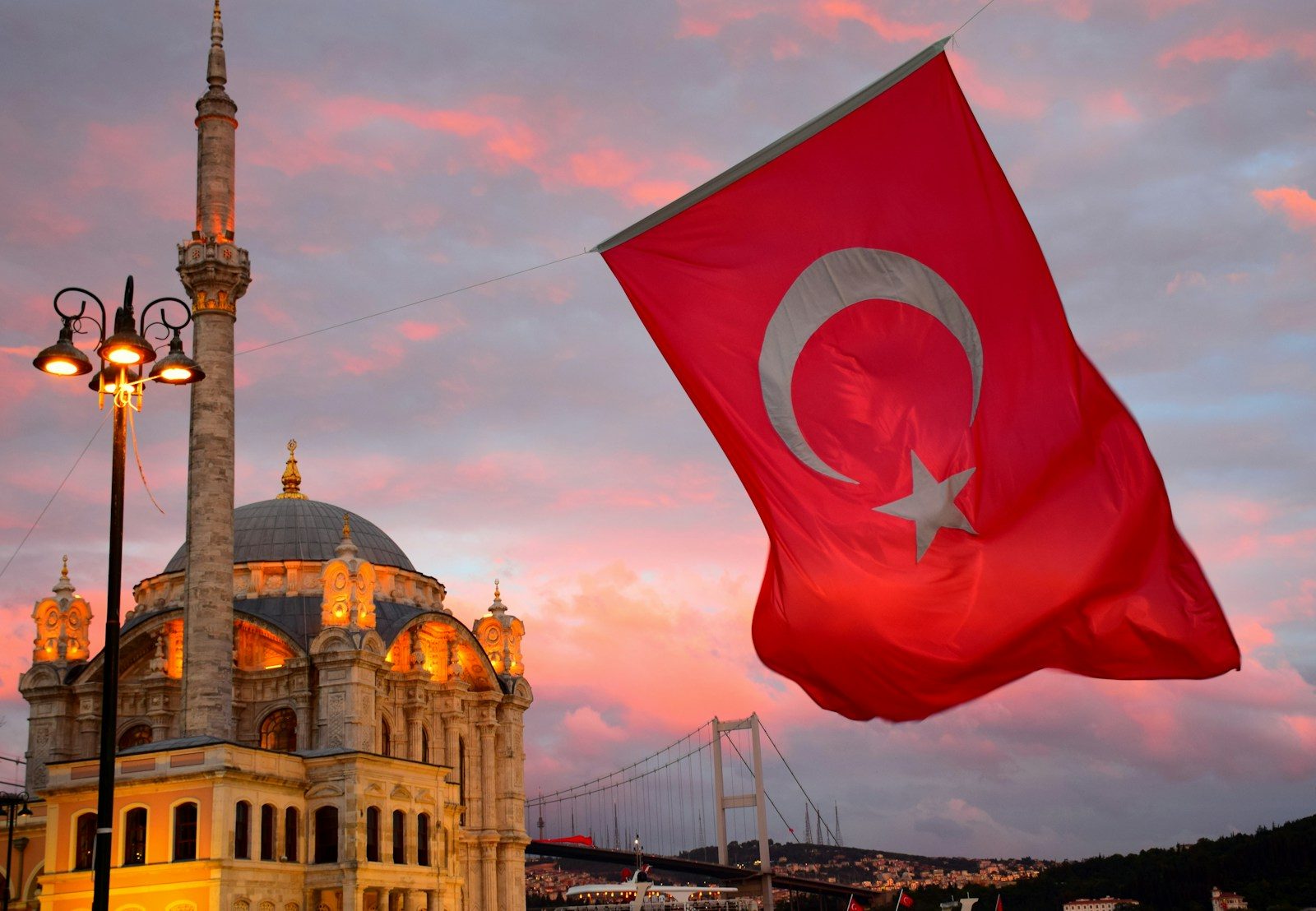
  • Turkiye knocked out of World Cup 2026 after 1-0 defeat to 10-man Paraguay

    Turkiye knocked out of World Cup 2026 after 1-0 defeat to 10-man Paraguay

    Turkiye’s second successive defeat in North America has sent the mainstream narrative into a tailspin. Outlets like CNN and ESPN are already positioning this as a failure of the “Turkish football revival,” when, let’s be honest, the factors at play are far more complex than a simple loss on the field. It’s like they’re painting this as a “global embarrassment,” complete with dramatic visuals and heart-tugging commentary to push the “tragic” story forward.

    Meanwhile, Fox Sports is jumping on the bandwagon, echoing the sentiment that Turkiye’s World Cup dreams are dashed, glossing over the rich cultural and political storylines that could provide real depth. Instead of delving into the factors behind the team’s performance, we get a sanitized version that serves up disappointment wrapped in a neat little box, perfect for consumption. Heaven forbid we discuss the real challenges facing Talented athletes beyond just the results—everything from systemic support to player health. They’d rather keep us glued to the screen with sensational headlines than offer a comprehensive analysis.

    Let’s not pretend this isn’t calculated. The media’s knee-jerk reaction to label this campaign a total disaster serves two purposes: it fuels outrage among fans who crave success while distracting from larger issues in the sports world. While they sell outrage, real conversations about the future of football in countries like Turkiye are lost in the noise. The focus should be on the bigger picture—how to build a sustainable program, rather than feeding the fire of disappointment. But that wouldn’t sell as well, would it?